
Knowing how to wash Victoria’s Secret bras properly can help preserve their shape, softness, lace, and elastic support. Whether you own a padded T-shirt bra, a push-up style, a wireless bra, or a delicate lace design, the right washing method can help it look and feel good for longer.
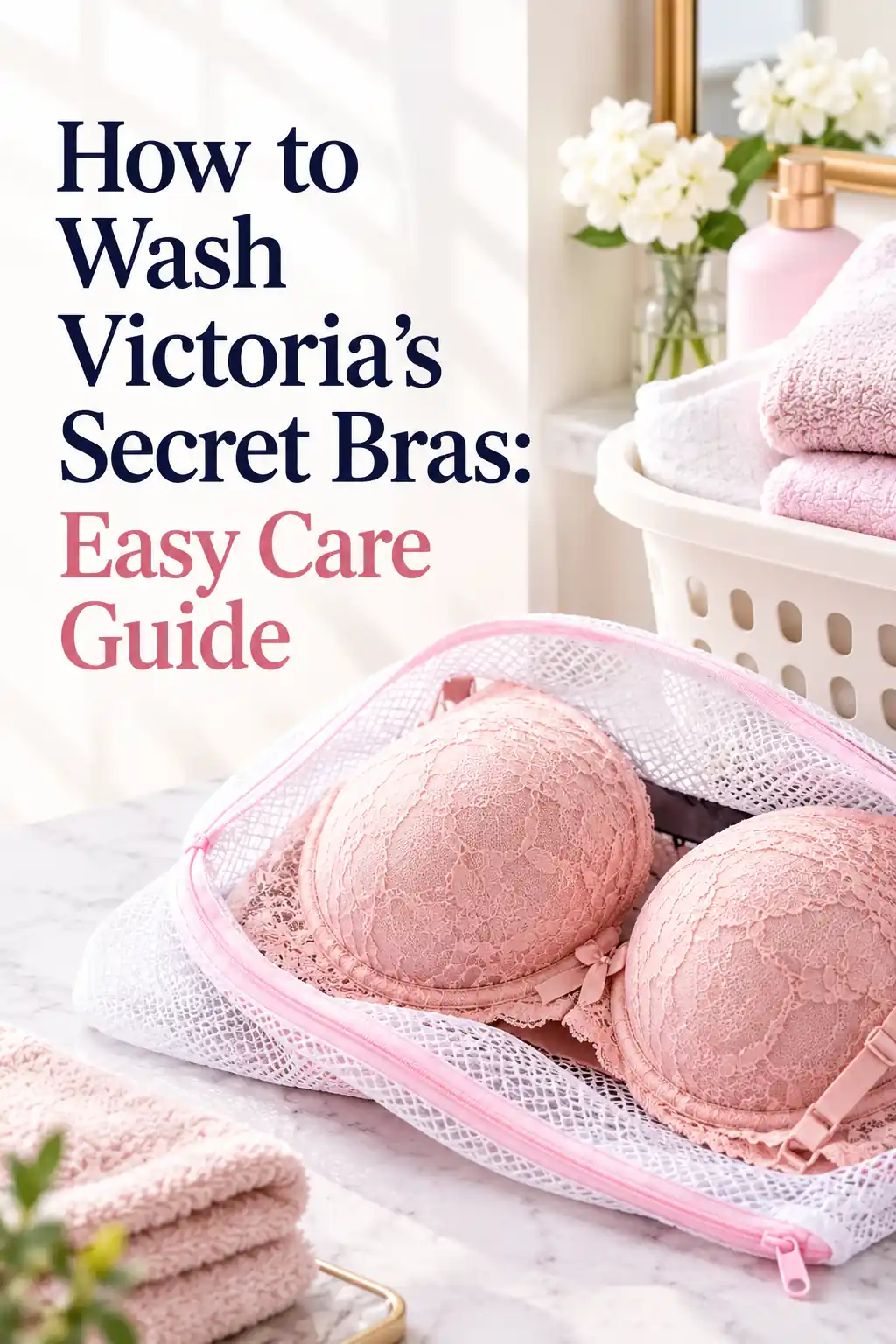
Although handwashing is often the gentlest option, many Victoria’s Secret bras can be machine-washed when their care labels allow it. The key is to use cool water, mild detergent, gentle agitation, and proper air-drying techniques.
Affiliate disclosure: As an Amazon Associate I earn from qualifying purchases.
Items to Buy
- Gentle Laundry Detergent
- Mesh Lingerie Washing Bags
- Delicate Laundry Detergent for Lingerie
- Laundry Stain Remover for Delicate Fabrics
- Foldable Clothes Drying Rack
- Soft Microfiber Towels
Can You Wash Victoria’s Secret Bras in a Washing Machine?
Yes, many Victoria’s Secret bras are machine-washable, but you should always check the care label on your specific bra before washing it. Different styles may have different requirements, particularly those with molded cups, underwires, lace, decorative details, or specialty fabrics.
Handwashing is generally the gentlest choice for delicate or structured bras. If machine washing is permitted, use a mesh lingerie bag, cold water, a delicate cycle, and a low or minimal spin setting. These precautions help reduce friction, tangling, and unnecessary stretching.
Avoid putting your bras in the dryer. Heat can weaken elastic fibers and affect padded cups, potentially shortening the life of the garment. Air-drying is the safer choice for most bras.
How to Wash Victoria’s Secret Bras by Hand
Handwashing gives you more control over how much pressure and movement your bra receives. It is particularly helpful for lace, padded, push-up, and underwire styles that you want to protect.
Step 1: Read the Care Label
Before cleaning your bra, look at the instructions on its inside tag. Check whether handwashing is recommended, which water temperature is appropriate, and whether any cleaning products should be avoided.
If the bra has special embellishments, delicate lace, or a molded shape, take extra care. Never assume that all bras from the same brand have identical washing requirements.
Step 2: Prepare Cool Water
Fill a clean basin or sink with cool water. Add a small amount of mild detergent suitable for delicate clothing and mix it into the water.
Avoid strong detergents, chlorine bleach, and harsh stain treatments. These products may damage delicate fibers or weaken elastic over time.
You do not need a large amount of detergent. A little, measured according to the product instructions, is usually enough for a small handwashing load.
Step 3: Submerge the Bra Gently
Place the bra in the soapy water and gently move it around so the water reaches the cups, band, straps, and underarm area.
Allow it to soak briefly if needed, following the detergent and garment-care instructions. Avoid leaving delicate bras soaking for an unnecessarily long time, especially if they contain decorative details or contrasting colors.
Do not twist the bra or aggressively rub the cups together. Gentle movement is enough for routine cleaning.
Step 4: Clean the Band and Straps
The band and straps can collect sweat, body oils, deodorant, and everyday residue. Use your fingertips to gently work the soapy water through these areas.
Pay attention to the underarm sections and the inside of the band, where residue may accumulate. Avoid scrubbing lace or pulling the straps, since excessive friction and tension can damage their fibers.
For visible stains, use a fabric-safe treatment only if it is compatible with the bra’s care instructions. Test it on a discreet area first when appropriate.
Step 5: Rinse Thoroughly
Drain the soapy water and rinse the bra with cool, clean water. Gently press water through the fabric until the detergent is removed.
Do not wring, twist, or squeeze the cups forcefully. Excessive pressure can distort molded padding, stretch the band, or damage the underwire structure.
Continue rinsing until the water runs clear and the fabric no longer feels slippery from detergent.
Step 6: Remove Excess Water
Lay the bra on a clean, absorbent towel. Fold the towel over it and press gently to absorb excess water.
Reshape the cups with your hands, smoothing out folds without pushing them inward. This helps the bra retain its intended shape as it dries.
Avoid twisting the towel tightly or hanging a heavy, soaking-wet bra by its shoulder straps.
How to Wash Victoria’s Secret Bras in a Washing Machine
Machine washing can save time when the bra’s care label permits it. Follow these steps to reduce the risk of snags, stretching, and cup damage.
Step 1: Fasten the Hooks
Close the bra’s hook-and-eye fastenings before washing. Open hooks can catch on lace, straps, mesh bags, or other garments.
Adjust the straps neatly so they are less likely to become tangled. If a strap is already damaged or a wire is exposed, avoid machine washing because the movement may make the damage worse.
Step 2: Place the Bra in a Mesh Laundry Bag
Put the bra inside a mesh lingerie bag designed for delicate garments. This creates a protective barrier between the bra and other laundry.
Use a bag large enough to let the bra sit without being crushed. For molded or padded bras, avoid folding the cups tightly together if doing so could distort their shape.
If you are washing several bras, use a suitable bag for each one when possible. This helps limit tangling and rubbing between garments.
Step 3: Choose Similar Laundry Items
Wash bras with lightweight, delicate items that have similar care requirements. Avoid mixing them with jeans, towels, heavy sweatshirts, or clothing with exposed zippers and rough fasteners.
Wash similar colors together. Keep dark, bright, and light-colored bras separate when dye transfer is a concern.
Do not overload the washer. A crowded drum increases friction and makes it harder for water to circulate freely.
Step 4: Use Cold Water
Select cold water unless the care label specifies otherwise. Cool washing helps protect many delicate fabrics and reduces the risk of heat-related damage.
Hot water is unnecessary for most routine bra washing and may affect elastic fibers or certain finishes. Follow the garment’s instructions rather than choosing a temperature based only on how dirty the bra appears.
Step 5: Select a Delicate Cycle
Choose the delicate or hand-wash cycle, depending on the options available and the instructions on the bra’s label. Use the lowest practical spin setting that is permitted.
A shorter, gentler cycle can reduce unnecessary stress on the straps, band, cups, and underwire. If your machine has no suitable gentle cycle, handwashing is a better option for especially delicate or structured bras.
Step 6: Add Mild Detergent
Use a small, measured amount of mild detergent suitable for delicate fabrics. Follow the detergent label and your machine’s instructions.
Avoid chlorine bleach and excessive detergent. Too much soap can remain trapped in the fabric and leave the bra feeling stiff or uncomfortable.
Fabric softener may not be suitable for all bra materials, so check the garment’s care instructions before using it.
Step 7: Remove the Bra Promptly
When the cycle finishes, remove the bra from the lingerie bag. Do not leave it sitting wet in the washer for an extended period.
Gently reshape the cups and smooth the band and straps. If the bra has molded cups, restore their rounded shape with your hands rather than pressing them flat.
How to Dry Victoria’s Secret Bras Without Damaging Them
Drying is just as important as washing. Even a bra that has been cleaned carefully can lose its shape if it is exposed to excessive heat or hung incorrectly.
Air-Dry Instead of Using a Dryer
Avoid tumble-drying your bras unless the specific care label explicitly permits it. Dryer heat can weaken elastic and affect padding, while tumbling can place additional stress on delicate construction.
After removing excess water, choose one of these methods:
- Dry flat: Place the bra on a clean, dry towel or drying rack and reshape the cups.
- Hang by the band: Support the bra from the band rather than the shoulder straps.
- Use a drying rack: Arrange the bra so air can circulate around it.
Avoid hanging a heavy, wet bra by its straps, as the water weight can stretch them.
Keep Bras Away From Excessive Heat
Choose a well-ventilated drying area away from direct heat sources. Prolonged exposure to strong sunlight may fade some colors, while radiators and other high-heat sources can damage elastic.
Allow the bra to dry completely before storing or wearing it. Thick padding and molded cups may take longer to dry than lightweight fabric.
How to Wash Different Types of Victoria’s Secret Bras
Not every bra has the same construction. Adjust your washing method to the design and always follow its care label.
How to Wash Padded and Push-Up Bras
Padded and push-up bras need careful handling because their cups can become dented or misshapen.
Handwash when possible, or use a lingerie bag and delicate cycle if machine washing is allowed. Avoid folding one cup into the other or pressing the padding flat.
After rinsing, gently reshape each cup. Air-dry the bra in a position that supports its shape, and do not put it away while the padding is damp.
How to Wash Lace Bras
Lace can snag or stretch when it rubs against rough fabrics or fasteners. Handwashing is often the gentlest option for delicate lace designs.
Use cool water and mild detergent. Move the bra carefully through the water, and do not scrub or pull the lace. If the care label allows machine washing, secure the hooks and use a mesh bag with a gentle cycle.
Lay the bra flat or support it by the band while air-drying.
How to Wash Underwire Bras
Underwire bras have a structured shape that can be affected by rough handling. Check the bra for loose stitching, exposed wires, or damaged seams before washing.
Handwashing helps reduce agitation. If machine washing is allowed, use a protective lingerie bag and a delicate cycle with minimal spin.
Do not bend the underwire or press the cups flat. If the wire has already begun to poke through the fabric, stop wearing the bra until you can replace it; washing will not repair the damage.
How to Wash Wireless Bras and Bralettes
Wireless bras and bralettes may be more flexible than underwire styles, but their fabrics and elastic still need care.
Check the label, then wash by hand or use a lingerie bag and gentle cycle if permitted. Avoid high heat and aggressive spinning, especially for bras with lace, removable padding, or delicate straps.
Reshape removable pads separately if the care instructions allow you to take them out. Make sure all components are dry before reassembling the bra.
How to Wash Victoria’s Secret Sports Bras
Sports bras often collect more sweat than everyday bras, so wash them after workouts or whenever they become sweaty or soiled.
Follow the label for temperature and cycle instructions. Use a suitable detergent, and avoid fabric softener if the garment’s care instructions prohibit it, particularly for performance fabrics.
Air-dry the sports bra instead of exposing its elastic to high dryer heat.
How Often Should You Wash Victoria’s Secret Bras?
How frequently you wash a bra depends on how long you wear it, how much you sweat, and the type of activity you do.
An everyday bra can often be worn more than once before washing if it remains clean and dry. However, bras worn during workouts should generally be washed after each use. Hot weather, heavy perspiration, deodorant buildup, and direct contact with lotions may mean you need to wash everyday bras more often.
Rotating between several bras also helps the elastic recover between wears. Allowing a bra to rest for a day or so between uses can reduce continuous strain on the band and straps.
Always wash a bra when it becomes visibly dirty, develops an odor, or feels uncomfortable from accumulated sweat and residue.
Common Mistakes to Avoid When Washing Victoria’s Secret Bras
Avoid these habits to help protect your bras:
- Using hot water without checking the label: Heat may affect elastic and delicate materials.
- Skipping the lingerie bag: Hooks and straps can snag on other garments.
- Using a regular heavy-duty cycle: Strong agitation can stretch fabric and distort cups.
- Adding too much detergent: Residue may remain in the fabric.
- Using chlorine bleach: It can damage elastic and some delicate fabrics.
- Putting bras in a hot dryer: Heat can weaken elastic and alter padding.
- Wringing the cups: Twisting can change their shape.
- Hanging bras by the straps: Wet weight can stretch the straps over time.
- Storing bras while damp: Trapped moisture can create unpleasant odors.
- Ignoring damaged wires or seams: Washing may worsen existing damage.
Gentle handling, suitable detergent, and careful drying are more useful than using extra cleaning products or washing at a higher temperature.
Frequently Asked Questions
Can I put Victoria’s Secret bras in the washing machine?
Many Victoria’s Secret bras can be machine-washed, but the care label for your specific style takes priority. If machine washing is allowed, fasten the hooks, use a mesh lingerie bag, select cold water and a delicate cycle, and use minimal spin.
Is it better to handwash Victoria’s Secret bras?
Handwashing is generally the gentlest option, especially for delicate lace, molded cups, push-up padding, and structured underwire bras. It reduces the agitation that can cause stretching, snagging, or changes in shape.
What detergent should I use for Victoria’s Secret bras?
Choose a mild detergent suitable for delicate garments. Use the recommended amount, avoid chlorine bleach, and rinse thoroughly to remove soap residue.
Can I put Victoria’s Secret bras in the dryer?
Air-drying is recommended for most bras because dryer heat can weaken elastic and affect padded cups. Follow the specific garment label if it provides different instructions.
How do I stop my padded bra from losing its shape?
Avoid folding the cups inward, pressing them flat, or wringing the bra. Use a lingerie bag if machine washing is permitted, reshape the cups after washing, and let the bra air-dry in a supported position.
How often should I wash my Victoria’s Secret bra?
Wash everyday bras according to how much you sweat and how soiled they become. Bras used for exercise should generally be washed after each workout. Rotating bras between wears can help reduce wear on their elastic.
Can I use fabric softener on Victoria’s Secret bras?
Check the care label before using fabric softener. Some delicate and performance fabrics may not be compatible with it. Mild detergent and thorough rinsing are usually sufficient for routine cleaning.
What should I do if my bra smells after washing?
Check that you used the correct detergent amount and rinsed the bra thoroughly. Let it dry completely in a well-ventilated area. If the odor persists, wash it again using a suitable gentle detergent and follow the care label.
Final Words
The best way to wash Victoria’s Secret bras is to follow the individual care label, handle delicate materials gently, and avoid unnecessary heat. Handwashing is a great option for structured or delicate styles, while a mesh lingerie bag and gentle machine cycle can work for bras approved for machine washing.
Air-dry your bras, reshape padded cups carefully, and rotate between several bras to help preserve their fit and elasticity. With a little extra care, you can keep your favorite bras comfortable and in good condition for longer.