
Fabric bows are one of the simplest yet most elegant decorative elements you can create. They can instantly transform clothing, accessories, gifts, or home décor with minimal effort and basic materials.
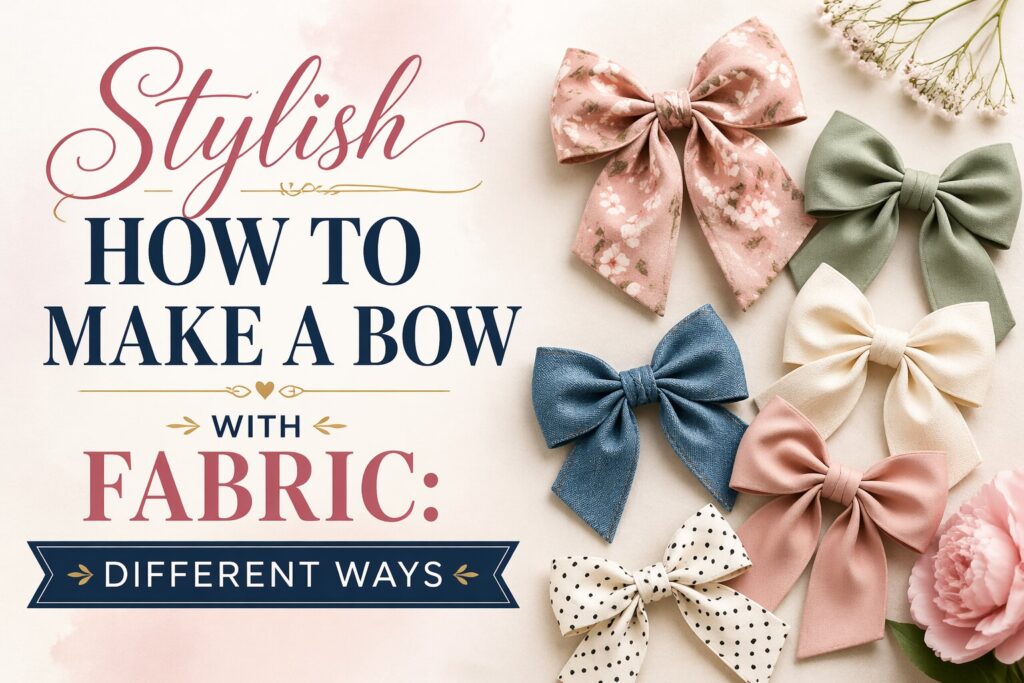
This guide walks you through different ways to make fabric bows using easy techniques. Whether you want something cute, classic, or structured, you’ll learn multiple methods that work for beginners and creative styling.
Essential Basics for Making Fabric Bows at Home
Before starting, it helps to understand the role of fabric choice and structure. Light fabrics create soft, flowy bows, while thicker materials create bold and structured designs. The type of bow you want determines your fabric selection and folding method.
Simple tools like scissors, thread, glue, or pins can help secure your bow depending on the technique. With just a few materials, you can create bows for outfits, hair accessories, gift wrapping, or DIY crafts.
Must-Have Items for Making Fabric Bows
How to Make a Bow with Fabric: Different Ways
1. Classic Fabric Bow with Simple Knot Technique
The classic fabric bow is the easiest and most beginner-friendly method. It works well with almost any fabric type and requires no sewing skills. This style is perfect for quick decorations or small fashion accessories.
Start by cutting a rectangular strip of fabric and folding it into a loop shape. Tie a smaller strip around the center to secure the bow shape. Adjust the loops until both sides are even. This method is ideal for hair clips, gift wrapping, or simple clothing embellishments.
2. Layered Fabric Bow for Full Volume Effect
A layered fabric bow creates a fuller and more decorative appearance. It is commonly used for fashion styling and statement accessories. This method adds depth and structure compared to a simple bow.
Stack multiple fabric strips in different lengths and secure them at the center using thread or glue. Arrange the layers so they fan out evenly. This bow works beautifully on dresses, handbags, or festive décor, giving a rich and textured look.
3. Bow with Sewing Method for Strong Hold
The sewing method creates a durable fabric bow that holds its shape well over time. It is ideal for permanent accessories or clothing details that require stability.
Fold the fabric into loops and stitch the center tightly using needle and thread. Once secured, adjust the loops for symmetry. This method is perfect for hair accessories, belts, or decorative clothing pieces that need long-lasting structure.
4. No-Sew Fabric Bow Using Glue Technique
The glue method is perfect for those who prefer a quick, no-sew solution. It is ideal for crafting beginners or fast DIY projects.
Cut your fabric into a strip and fold it into a bow shape. Apply fabric glue at the center to hold it in place. Press firmly and let it dry completely. This method works well for temporary decorations or lightweight accessories.
5. Satin Ribbon Bow for Elegant Finish
A satin ribbon bow creates a smooth and polished look. It is commonly used in fashion accessories, gift wrapping, and formal decorations due to its shiny finish.
Fold the ribbon into loops and secure the center with a thin strip or knot. Adjust carefully to maintain symmetry. This bow style is ideal for elegant outfits, hair clips, or decorative packaging.
6. Oversized Statement Fabric Bow
An oversized fabric bow is designed to make a bold fashion statement. It is often used in runway-inspired outfits or dramatic styling looks.
Use a large piece of fabric and create wide loops for volume. Secure tightly at the center and shape the bow evenly. This style works best for dresses, tops, or event accessories where a standout detail is needed.
7. Mini Fabric Bow for Subtle Styling
A mini fabric bow is a delicate and minimal accessory that adds charm without overpowering the outfit. It is perfect for everyday fashion styling.
Cut a small fabric strip and create a tight loop. Secure the center and adjust the ends neatly. This bow works well on hair ties, collars, or small fashion details for a subtle accent.
8. Double Loop Fabric Bow Design
The double loop bow adds extra dimension by layering two loops on each side. It creates a structured yet stylish appearance suitable for fashion and décor.
Form two loops on each side and secure them at the center. Adjust for balance and symmetry. This bow is ideal for handbags, dresses, or gift decorations that need a more detailed finish.
9. Fabric Bow with Wire Support Technique
Adding wire inside the fabric gives the bow more control and shape retention. This method is great for decorative purposes where structure is important.
Insert thin wire inside the fabric strip before forming the bow. Shape it carefully and twist the center to secure. This technique is perfect for event decorations or fashion pieces requiring defined shapes.
10. Asymmetrical Fashion Bow Style
An asymmetrical bow creates a modern and artistic look. It is often used in fashion-forward designs and creative styling.
Instead of matching loops, adjust one side larger than the other. Secure at the center and style freely. This bow adds a unique edge to outfits or accessories, making it ideal for statement fashion looks.
11. Ruched Fabric Bow Design
A ruched bow uses gathered fabric to create a soft and textured appearance. It looks elegant and slightly vintage.
Gather the fabric tightly at the center and secure it with thread or glue. Let the edges flow naturally. This bow is perfect for dresses, headbands, or romantic-style accessories.
12. Multi-Knot Fabric Bow Style
The multi-knot bow uses multiple tied sections for a layered decorative effect. It creates a creative and textured appearance.
Tie small knots along the fabric strip and shape them into loops. Secure the center once complete. This bow works well for artistic fashion pieces and decorative crafts.
13. Pleated Fabric Bow Technique
A pleated bow uses folded fabric sections to create structure and elegance. It has a neat and organized appearance.
Fold the fabric evenly into pleats and secure the center tightly. Adjust the folds to form bow shapes. This style is ideal for formal outfits or structured accessories.
14. Twisted Fabric Bow Method
The twisted bow uses a spiral folding technique for a unique textured look. It is modern and creative in appearance.
Twist the fabric strip tightly and loop it into a bow shape. Secure the center and adjust evenly. This design is great for experimental fashion or artistic accessories.
15. Mixed Fabric Bow with Pattern Layers
A mixed fabric bow combines different textures or patterns for a bold and stylish finish. It adds visual interest and creativity.
Layer different fabric strips together and form a bow shape. Secure at the center and adjust for balance. This bow is perfect for fashion pieces that need a standout design element.
Frequently Asked Questions
What fabric is best for making bows?
Light fabrics like cotton and satin work best depending on the style you want.
Can I make a fabric bow without sewing?
Yes, glue or knot methods work well for no-sew bows.
How do I keep fabric bows in shape?
Use glue, stitching, or wire support for better structure.
Where can fabric bows be used?
They can be used on clothing, hair accessories, gifts, and décor.
Are fabric bows reusable?
Yes, especially if made without permanent glue or stitching.
Final Words
Fabric bows are simple yet powerful decorative elements that can elevate almost anything. With different techniques, you can create styles ranging from minimal to bold and artistic.
Whether for fashion, gifts, or DIY crafts, learning how to make fabric bows opens endless creative possibilities that are both fun and practical.