
Your outfit for an interview is more than just clothing — it’s part of your first impression. What to wear to an interview can influence confidence, credibility, and comfort, helping you present your best self.
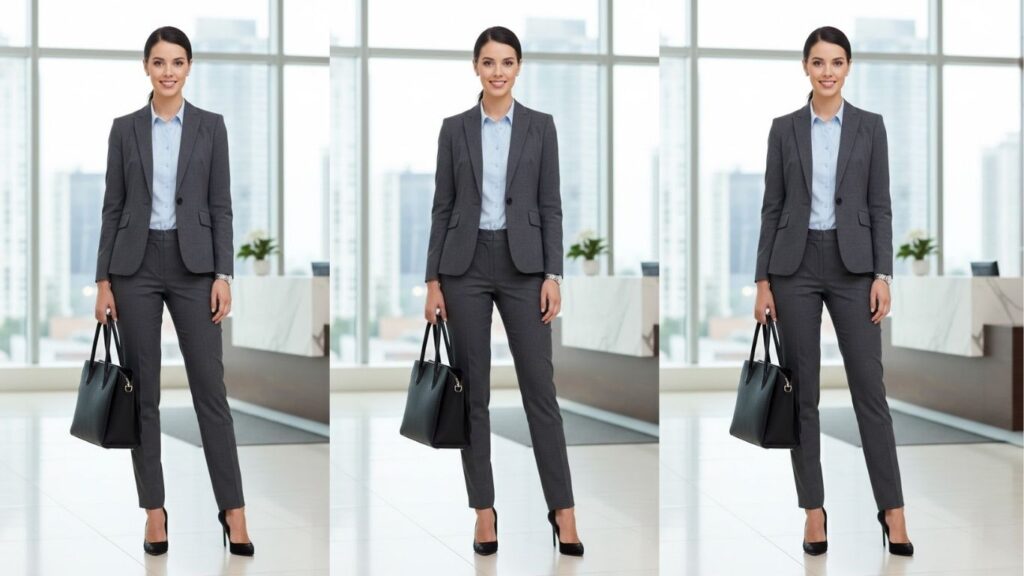
In this guide, you’ll find thoughtful advice, outfit ideas for various industries, and practical tips to help you dress confidently for every interview situation.
Recommended Professional Pieces to Buy
Here are five items you may want to add to your wardrobe before you review the outfit ideas:
- Classic Blazer
- Tailored Trousers
- Comfortable Dress Shoes
- Button-Down Shirt
- Minimalist Watch
Why Choosing What to Wear to an Interview Matters
Your interview outfit sends messages before you speak. It shows professionalism, respect for the company culture, and attention to detail. Dressing appropriately also helps you feel confident, focused, and ready to engage — all factors that can contribute to a better interview performance.
Before we dive into specific ideas for what to wear to an interview, consider these core principles:
Understanding Company Culture
Research the company’s dress code and culture. A corporate law firm will likely expect more formal attire, while a creative agency might appreciate smart casual looks.
Prioritize Fit and Comfort
Ill-fitting clothes distract both you and your interviewer. Choose garments that fit well and allow ease of movement — you want to focus on conversation, not adjusting your outfit.
Choose Neutrals and Classics
Neutral tones like black, navy, beige, gray, and white are safe and timeless. Simple silhouettes and classic pieces help your outfit appear polished and professional without distraction.
Now let’s explore ten thoughtful outfit ideas based on interview type and industry.
1. Corporate Interview Classic
Tailored Suit and Button-Down
For formal corporate interviews — such as finance, law, or consulting — a tailored suit is a classic choice. Choose neutral colors like navy, charcoal gray, or black. Pair your suit with a crisp button-down shirt in white or soft pastel shades.
Polished dress shoes complete the look — loafers or oxfords for men and flats or low heels for women. Keep accessories minimal and professional. A simple watch and stud earrings are enough to add polish without distracting from your skills and demeanor.
This outfit conveys confidence and respect for traditional corporate environments.
2. Business Casual Interview
Blazer With Chinos or Skirt
In many modern workplaces, business casual attire is the norm. A blazer paired with chino pants or a knee-length skirt offers a balanced look that’s both professional and approachable.
Choose neutral chinos and a fitted blouse or top. For skirts, pencil or A-line cuts work well. Closed-toe shoes — loafers, ballet flats, or modest heels — make the outfit complete.
This ensemble shows you understand professionalism while embracing a more relaxed yet polished aesthetic.
3. Creative Industry Interview
Smart Casual With Personality
For creative fields like marketing, design, or media, you can express a bit of personality while keeping it professional. Combine tailored trousers with a textured top or soft knit sweater.
Add a patterned scarf or subtle jewelry to inject character without overshadowing your qualifications. Shoes can be stylish yet comfortable, like leather loafers or chic flats.
Choose colors that reflect your style but avoid loud or overly distracting patterns. The focus should remain on your ideas and skills.
4. Startup Interview Friendly
Neat Casual With Clean Lines
Startups often favor a more relaxed dress code but still value neatness. Pair dark jeans or casual trousers with a tailored top or button-down shirt. Add a lightweight blazer or cardigan for structure.
Choose clean, polished sneakers or comfortable loafers to maintain a professional yet modern look. Avoid overly distressed denim or overly casual pieces like hoodies. Smart casual here means sharp, intentional, and comfortable.
This outfit balances approachable and prepared — perfect for interview settings where culture matters.
5. Remote Interview Ready
Clean Top With Simple Base
For virtual interviews, what to wear to an interview still matters — but focus on the visible portion on camera. Choose a structured top or blouse in solid colors that contrast nicely with your background.
Avoid overly busy patterns or distracting logos. Pair with neutral trousers or skirt if your video interview involves standing — even if you’re sitting, full confidence comes from dressing head to toe.
Maintain good posture, groomed hair, and minimal accessories. A simple necklace or small earrings works well. This keeps the attention on your face and voice.
6. Retail or Hospitality Interview
Business Casual Comfort
In customer-facing roles like retail or hospitality, professional yet approachable outfits work best. Pair black or navy pants with a neat button-down shirt, blouse, or polo. Add a simple belt and comfortable shoes — flats, loafers, or dress sneakers that are clean and polished.
Grooming and posture matter here as much as the clothing. Slight texture or color in the shirt adds visual interest without being distracting. This ensemble shows you’re ready to engage with customers and represent the brand.
7. Teaching or Education Interview
Conservative but Warm
Educational settings appreciate professionalism with approachability. Choose tailored trousers or a modest skirt paired with a structured blouse or knit top. A cardigan or lightweight blazer adds polish without being too formal.
Closed-toe flats or low-heeled shoes combine comfort with professionalism — important for positions that involve walking or leading groups. Soft, neutral tones communicate calmness and reliability.
This outfit feels tuned to an educational environment and makes you feel confident.
8. Healthcare or Medical Interview
Practical and Professional
Healthcare roles often blend functionality with professionalism. Choose a crisp blouse or button-down shirt with tailored pants or a modest skirt. Avoid overly loose or baggy items that interfere with movement or introduce distraction.
Comfortable yet professional shoes — loafers, flats, or low heels — make the outfit practical. Keep accessories minimal and simple. A watch with a second hand may even communicate readiness for clinical environments.
Clean lines and subtle tones present you as reliable and prepared.
9. Government or Public Sector Interview
Conservative Professional
Public sector interviews often lean toward traditional professionalism. A structured blazer, tailored pants, and button-down shirt combination is wise here. Choose neutral colors like navy, charcoal, or beige.
Minimal accessories and modest shoes — loafers, flats, or closed-toe heels — complete the look. Crisp grooming and intentional posture further enhance your professional presence.
This look aligns with respected public service aesthetics without appearing too rigid.
10. First Job or Internship Interview
Polished Yet Approachable
For your first interview, striking a balance between polished and approachable is key. Pair dark trousers or a simple skirt with a button-down or fitted blouse. Add a lightweight blazer for structure.
Choose comfortable shoes that feel right for the position — flats, loafers, or low heels. Keep accessories minimal. A watch and small earrings add professionalism without distraction.
This outfit reads as prepared, confident, and enthusiastic — ideal for entry-level settings.
How Colors Influence Interview Style
Color choices can subtly impact how others perceive you in an interview.
Neutral Colors
Black, navy, gray, beige, and white convey professionalism and work well across industries.
Soft and Warm Tones
Blush, light blue, soft gray, and taupe add warmth without distracting from your presence.
Avoid Loud Patterns
Bold prints or neon tones can detract from your focus. Solid colors and minimal patterns keep the emphasis on your qualifications.
Choosing the Right Fit and Fabric
Fit and fabric play a big role in how your outfit looks and feels.
Fit
Your clothing should flatter without clinging too tightly or hanging too loosely. Tailored or structured pieces give polish.
Fabric
Choose wrinkle-resistant fabrics like wool blends, cotton blends, or mid-weight knits for a sharp appearance. Stretch fabrics offer comfort without losing shape.
Grooming and Accessories That Complement Your Outfit
Accessories and grooming complete your interview look.
Shoes
Polished dress shoes or flats in neutral tones enhance professionalism. Make sure they’re clean and comfortable.
Jewelry
Keep jewelry minimal — a simple watch, studs, or thin chain can add polish without distraction.
Bags
Choose a structured tote, briefcase, or professional handbag to carry your materials.
Grooming
Neat hair, trimmed nails, and fresh breath show attention to detail and respect for the interviewer.
Common Interview Outfit Mistakes to Avoid
Understanding what not to do is just as useful.
Too Casual
Avoid hoodies, ripped jeans, sneakers, tank tops, or anything overly casual.
Too Revealing
Low-cut tops, short skirts, and overly tight clothing detract from professionalism.
Distracting Accessories
Keep accessories subtle to avoid drawing attention away from your skills and experience.
Uncomfortable Shoes
Painful shoes can distract you during the interview and affect your confidence.
FAQ
What should I wear to a professional interview?
Opt for tailored suits, structured blazers, neat trousers, and button-down shirts in neutral tones.
Can I wear color to an interview?
Yes — soft, muted colors like light blue or blush are professional. Avoid extremely bright or neon colors.
Are open-toe shoes appropriate?
Closed-toe shoes are typically more professional unless specifically acceptable in the company culture.
Should accessories be minimal?
Yes — simple, subtle accessories add polish without distraction.
What if I don’t own professional clothes?
Start with basics like a blazer, neutral button-down, and tailored pants. Combine them creatively and prioritize fit and cleanliness.
Final Words
Knowing what to wear to an interview gives you a head start before the first question is asked. Your outfit reflects professionalism, personality, and preparedness — all qualities interviewers notice.
With thoughtful choices, proper fit, and confidence in your appearance, you can walk into your interview ready to impress. Dressing the part is part of becoming the person you want to be.